











Skin growths (Fibroma)
Content
Description
Skin growths are benign skin lesions that grow from skin cells.
They take the shape of warts, skin tags (acrochordons) or lentigines.
In addition, we recognize birthmarks, which are various coloured (pigmented) formations on the skin.
Hemangiomas (strawberry marks) are formed from blood vessels, fat bags around the eyes form xanthelasma.

Facts
- Local anesthesia
- Outpatient procedure
- Procedure takes about 30 minutes
- Recovery in 7 days
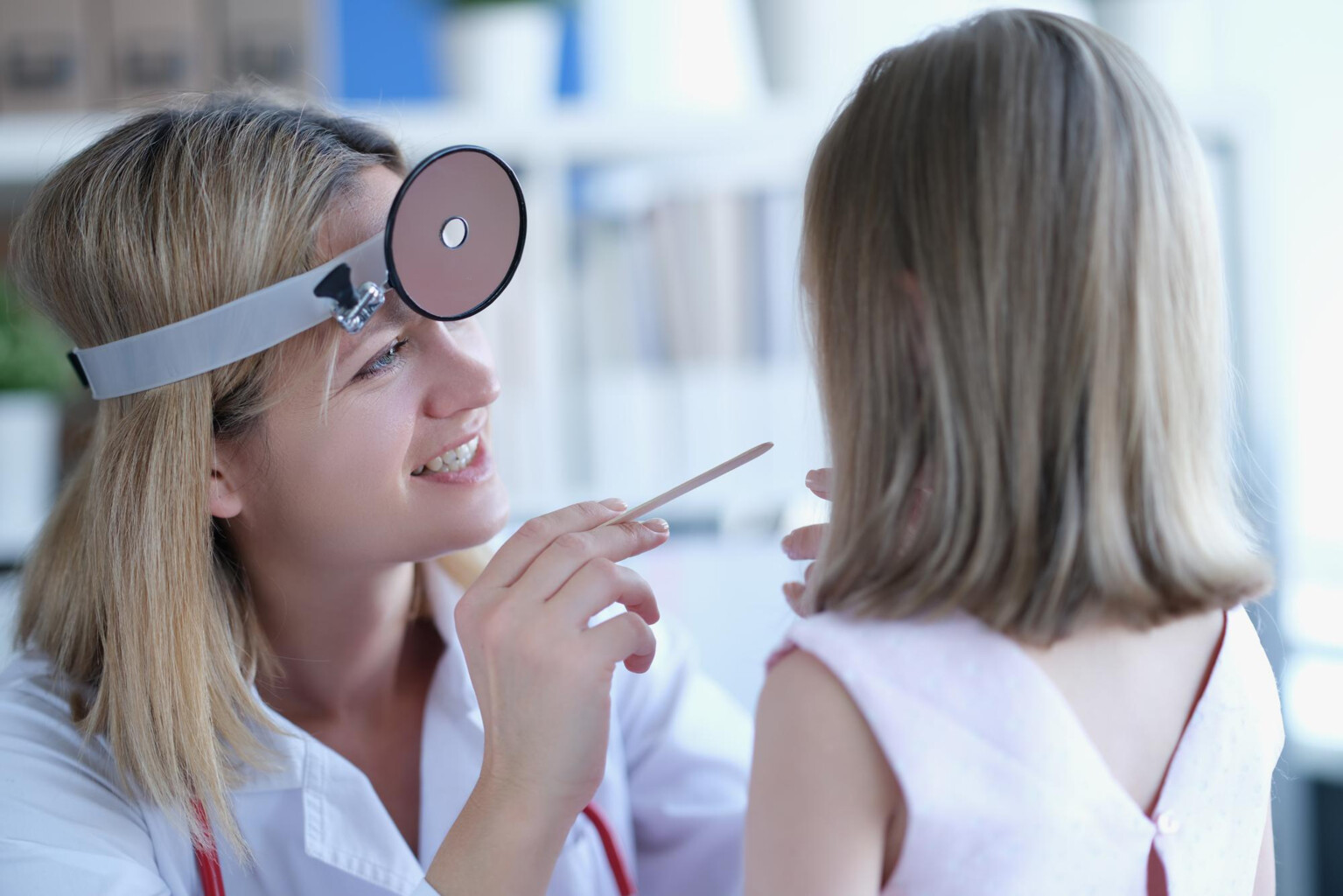
A thorough examination by a dermatologist is necessary before considering the removal of skin growths to rule out the possibility of cancer.
It is also necessary to rule out various infections with viruses or mycoses (e.g. molluscs, candidiasis).
If skin formations are placed under a microscope, we can identify a large number of heterogeneous formations, because the skin itself contains a large number of cells from which these formations grow (e.g. fibromas, dermatofibromas, papillomas, verrucae, keratoacanthomas, pyogenic granulomas, mycelia).
Benign skin growths can be removed by several methods:
- Surgical excision - excision of the lesion by a surgeon, the wound is sutured and the sutures are removed in 7 - 14 days. The advantage is that the material can be sent for histological examination, which is especially important for suspicious skin lesions.
- Electrocautery, radiofrequency coagulation-burning the growth with heat from a high-frequency electric current, produces a scab that falls off after 10 days.
- Laser - treatment with a laser that emits photons that destroy the cells of the skin growth. A scab is formed that falls off after 10 days.
- Cryotherapy - treatment with liquid nitrogen, which freezes the growth, then it falls off by itself.
After removal of the skin growths, a small wound is left, which heals in 7 - 10 days.
During healing, the wound should not be soaked, it should be kept clean and safe from getting dirty or injured. It is advisable to cover the wound with a patch.