

















Rheumatology
Content
Description
Rheumatology is a specialized branch of internal medicine focused on rheumatic diseases that affect the musculoskeletal system and connective tissue (joints, tendons, ligaments, muscles, but also skin, blood vessels, nerves and internal organs).
It also deals with inflammatory, autoimmune and degenerative diseases.
Patients most often seek out a rheumatologist with the following problems:
- Joint and muscle pain, morning stiffness
- Joint swelling and deformities
- Fever, malaise, fatigue
- Muscle weakness
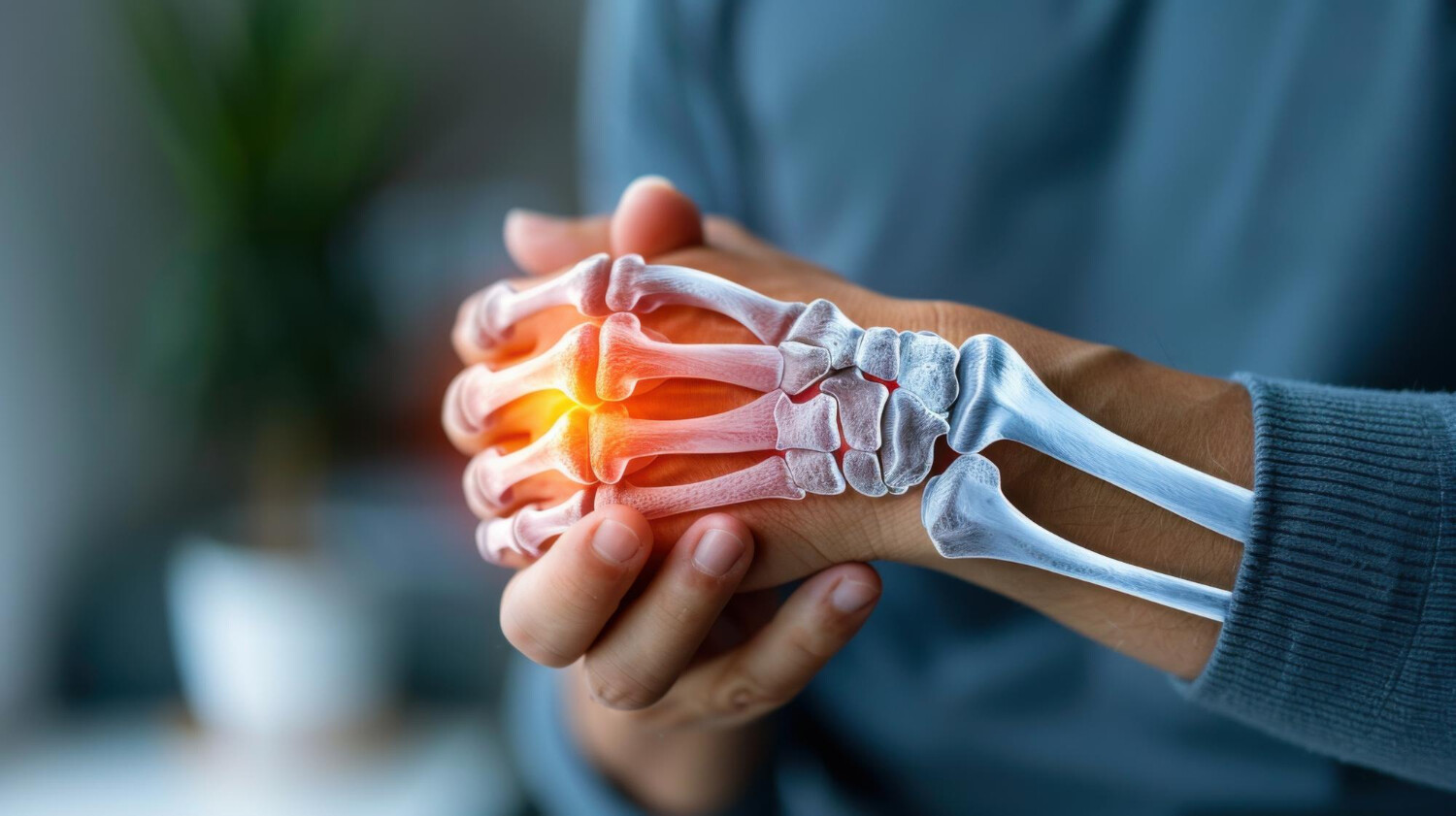
Facts
- Outpatient examination
- Examination lasts 30 minutes
Among the most common diseases that rheumatology deals with are:
- Inflammatory diseases of the joints, muscles and tendons - arthritis (rheumatoid arthritis, psoriatic arthritis), myositis and tendinitis
- Degenerative diseases - osteoarthritis of the joints, osteoporosis
- Metabolic diseases - gout
- Systemic diseases and autoimmune diseases: lupus (SLE - systemic lupus erythematosus), scleroderma (systemic sclerosis), Sjögren's syndrome
During the examination, the rheumatologist provides a medical consultation with the patient (symptoms of the disease, duration of the problems, medications used, hospital stays and surgeries).
- Followed by a clinical examination of the joints and muscles
- The results of blood tests are important (inflammatory parameters, antibodies, rheumatoid factor, uric acid) - blood and urine are taken for analysis
- Joint puncture - taking fluid from the joint using a needle
- Evaluation of imaging methods - X-ray, ultrasound, MRI (magnetic resonance imaging) and CT (computed tomography) of the joints
- Anti-inflammatory drugs (non-steroidal anti-inflammatory drugs)
- Medicines that lower uric acid levels (for gout) or strengthen bones (for osteoporosis)
- Corticoids (corticosteroids)
- DMARDs - disease-modifying antirheumatic drugs
- Biological therapy
- Injection therapy (drugs are administered directly into the joint)
Rheumatologist also recommends physical and rehabilitation therapy (exercises to improve range of motion, ultrasound and heat therapy), orthopedic splints, and surgical procedures.